Introduction
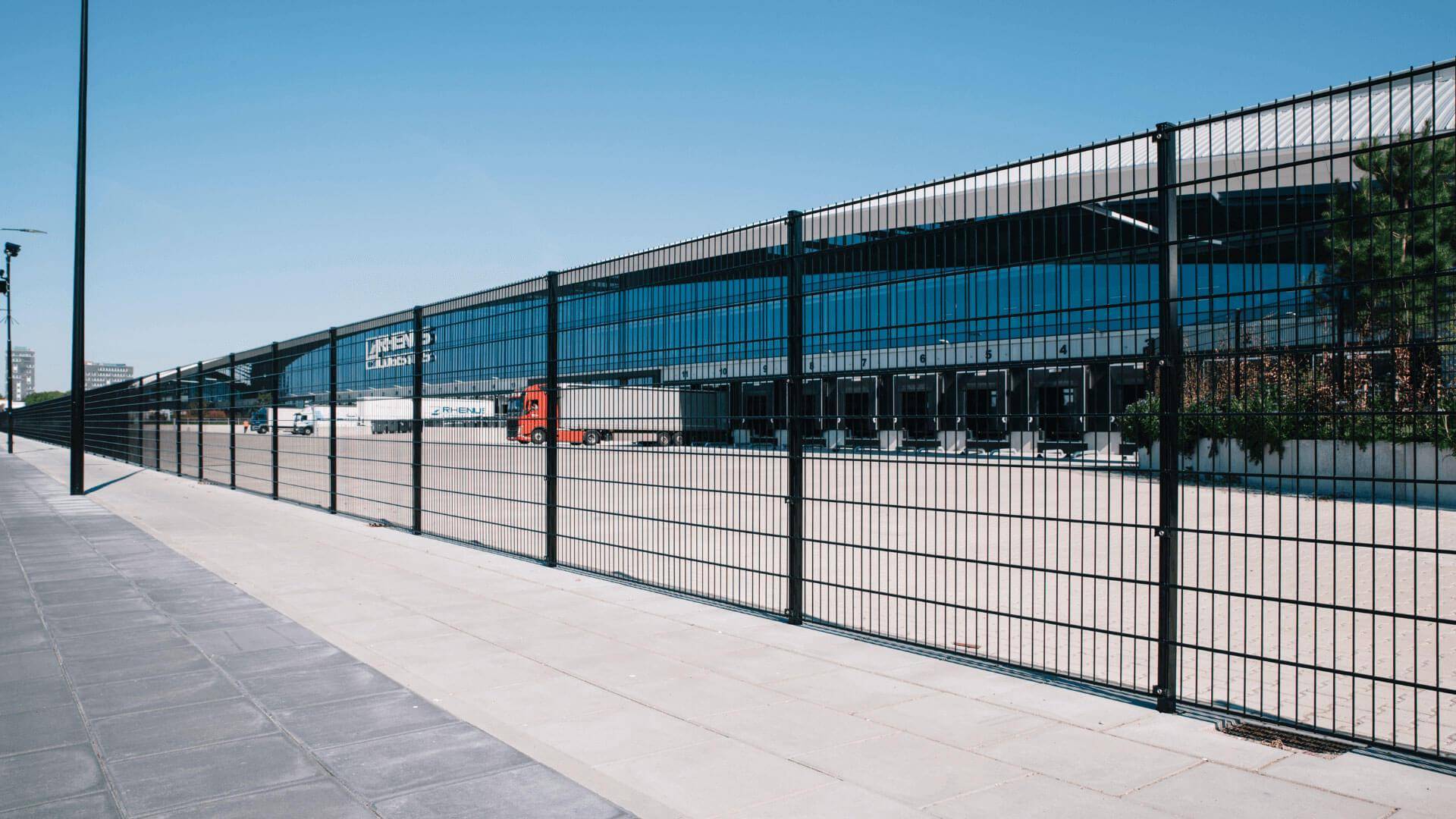
Industrial facilities require reliable perimeter protection to safeguard assets, control access, and reduce unauthorized entry. From warehouses and manufacturing plants to logistics hubs and utility infrastructure, fencing remains one of the most important layers of physical security.
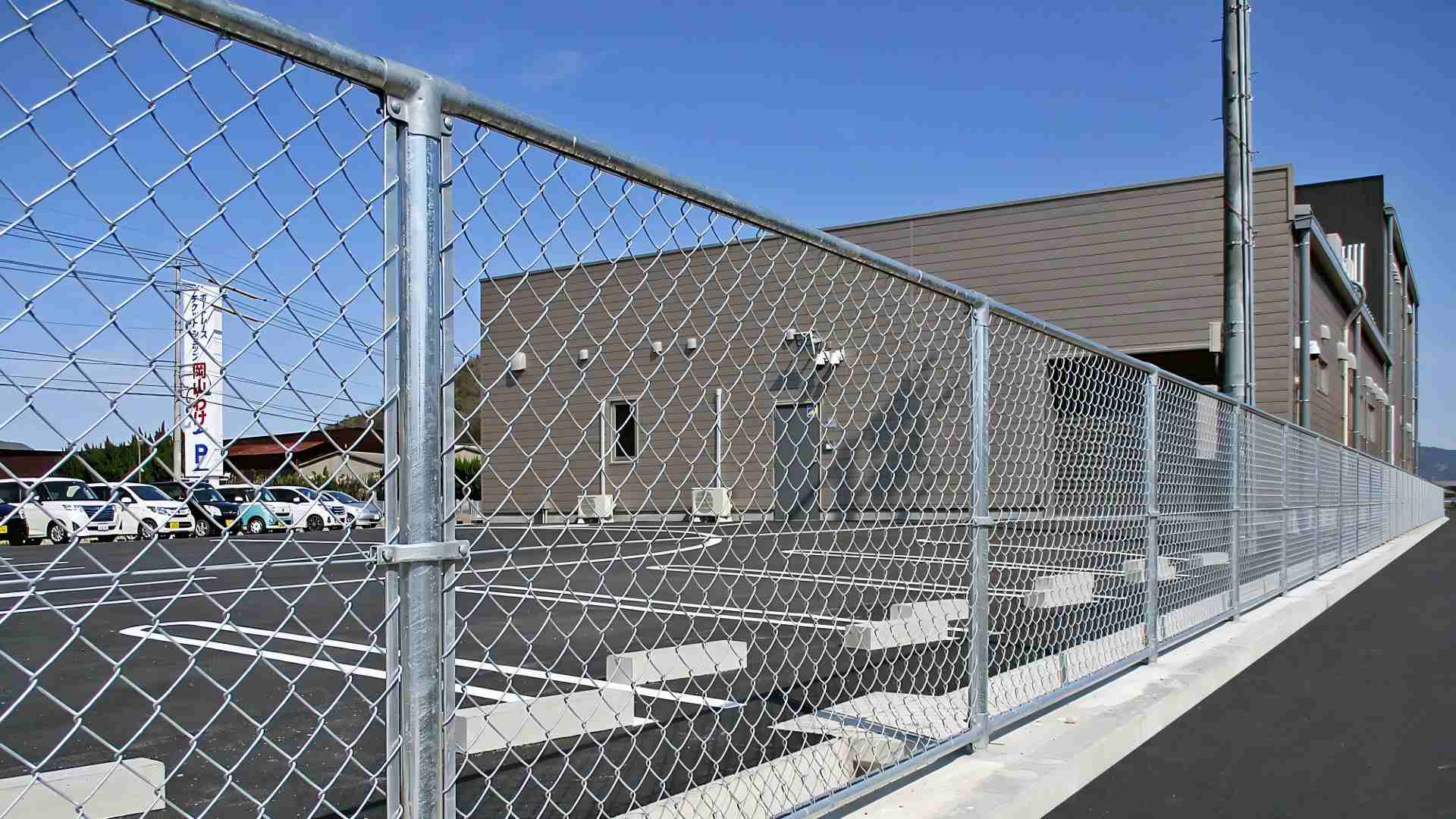
Among the many fencing options available, chain link fence continues to be one of the most widely used solutions worldwide. Its combination of durability, visibility, cost-effectiveness, and adaptability makes it particularly suitable for industrial environments.
This article explores how chain link fencing is used for industrial security and provides practical guidance for selecting the right specifications for different applications.
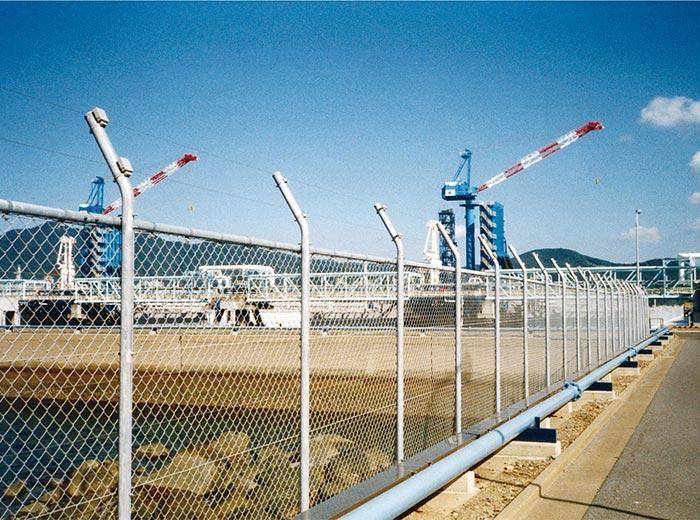
Why Chain Link Fence Remains a Popular Industrial Security Solution
Industrial operators must balance security requirements with installation costs, maintenance considerations, and operational efficiency.
Chain link fence offers several advantages:
- Cost-effective perimeter protection
- Excellent visibility for surveillance
- Long service life
- Low maintenance requirements
- Flexible installation options
- Compatibility with access control systems
Unlike solid barriers, chain link fencing allows security personnel and camera systems to maintain clear visibility across the perimeter.
Common Industrial Applications
Chain link fencing is widely used in a variety of industrial environments.
Warehouses and Distribution Centers
Warehouses often contain high-value inventory and equipment.
Chain link fencing helps:
- Define property boundaries
- Control vehicle access
- Protect loading areas
- Improve overall site security
Manufacturing Facilities
Factories require controlled access to protect employees, equipment, and production operations.
Chain link fence is commonly installed around:
- Plant perimeters
- Storage yards
- Equipment compounds
- Restricted-access zones
Logistics and Transportation Hubs
Transportation facilities require secure yet visible perimeter systems.
Typical applications include:
- Truck terminals
- Container yards
- Distribution centers
- Freight facilities
Utility and Infrastructure Sites
Chain link fence is frequently used around:
- Electrical substations
- Water treatment plants
- Telecommunications facilities
- Renewable energy installations
Key Benefits for Industrial Security
Visibility and Surveillance
One major advantage of chain link fencing is transparency. Security personnel can easily monitor activity through the fence.
Benefits include:
- Improved camera performance
- Better lighting penetration
- Reduced blind spots
Durability
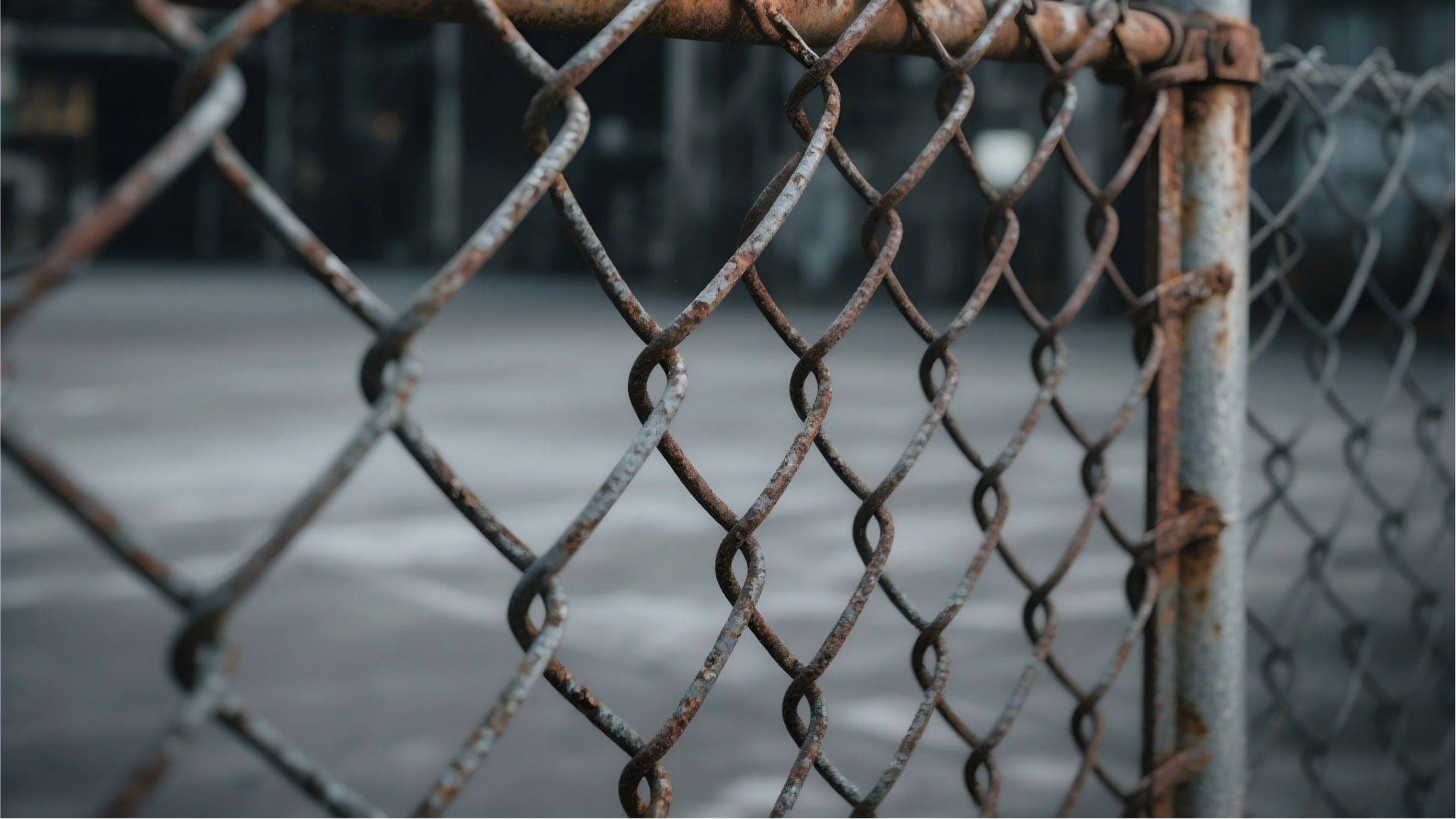
Galvanized and PVC coated chain link fences provide excellent resistance to:
- Corrosion
- UV exposure
- Weather conditions
This makes them suitable for long-term outdoor installations.
Scalability
Industrial projects often expand over time.
Chain link systems can be extended or modified without replacing the entire fence line.
Cost Efficiency
Compared with many high-security fencing systems, chain link fence delivers excellent value while meeting the requirements of most industrial facilities.
Recommended Fence Specifications
Specification requirements vary depending on the security level.
Standard Industrial Facilities
| Parameter | Recommendation |
|---|---|
| Wire Diameter | 3.0–3.5 mm |
| Mesh Opening | 50 × 50 mm |
| Fence Height | 1.8–2.4 m |
| Finish | Hot-Dip Galvanized |
High-Security Facilities
| Parameter | Recommendation |
|---|---|
| Wire Diameter | 4.0–5.0 mm |
| Mesh Opening | 40 × 40 mm |
| Fence Height | 2.4–3.6 m |
| Finish | Hot-Dip Galvanized + PVC Coated |
Security Enhancements
Additional security features can significantly improve perimeter protection.
Barbed Wire
Often installed on angled extensions at the top of the fence.
Benefits:
- Deters climbing
- Increases perimeter security
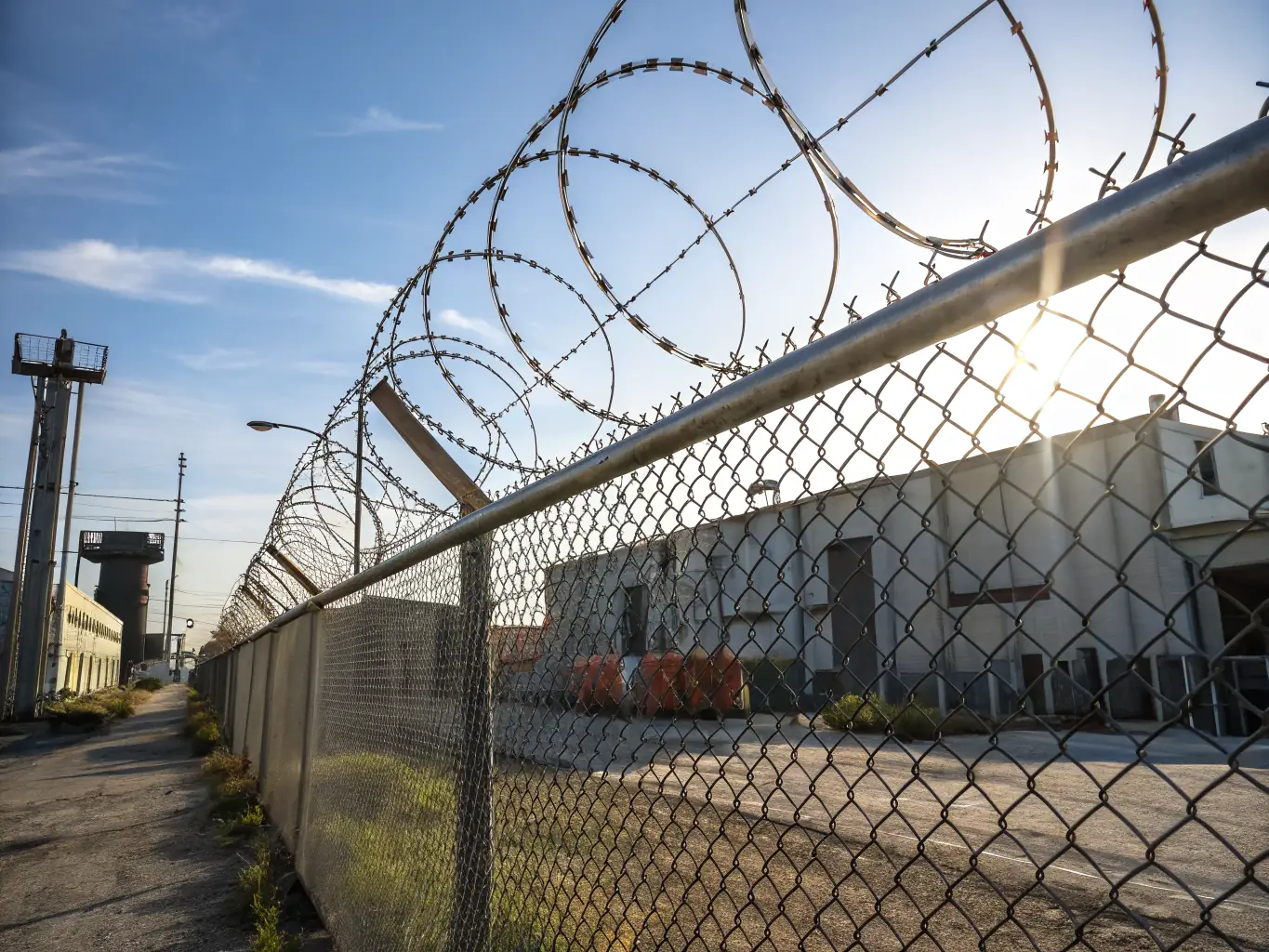
Razor Wire
Used in higher-security environments such as:
- Government facilities
- Critical infrastructure
- Restricted industrial sites
Access Control Gates
Industrial fencing systems are commonly integrated with:
- Vehicle gates
- Pedestrian gates
- Electronic access systems
Lighting and Surveillance
Combining fencing with cameras and perimeter lighting creates a more effective security system.
Environmental Considerations
Environmental conditions should influence material and coating selection.
| Environment | Recommended Finish |
|---|---|
| Inland Areas | Hot-Dip Galvanized |
| Humid Regions | Heavy Zinc Coating |
| Coastal Areas | HDG + PVC Coated |
| Industrial Pollution | HDG + PVC Coated |
Proper corrosion protection helps maximize service life and reduce maintenance costs.
Common Mistakes When Specifying Industrial Fencing
Selecting Fence Height Based Only on Cost
Fence height should reflect actual security requirements.
Ignoring Coating Requirements
Coastal and industrial environments require enhanced corrosion protection.
Choosing Oversized Mesh Openings
Larger openings may reduce security effectiveness.
Not Planning for Future Expansion
Industrial facilities often grow, making modular fencing systems advantageous.
Product Selection Guide by Facility Type
| Facility Type | Recommended Solution |
|---|---|
| Warehouse | 3.5 mm HDG Chain Link Fence |
| Manufacturing Plant | 3.5 mm HDG Fence + Gates |
| Logistics Center | 4.0 mm HDG Fence |
| Utility Substation | 4.0 mm Fence + Barbed Wire |
| High-Security Facility | 5.0 mm Fence + Razor Wire |
Conclusion
Chain link fence remains one of the most practical and cost-effective perimeter security solutions for industrial facilities. Its durability, visibility, scalability, and low maintenance requirements make it suitable for warehouses, factories, logistics centers, and infrastructure projects. When combined with appropriate specifications and security enhancements, chain link fencing can provide reliable long-term protection for a wide range of industrial applications.