Introduction
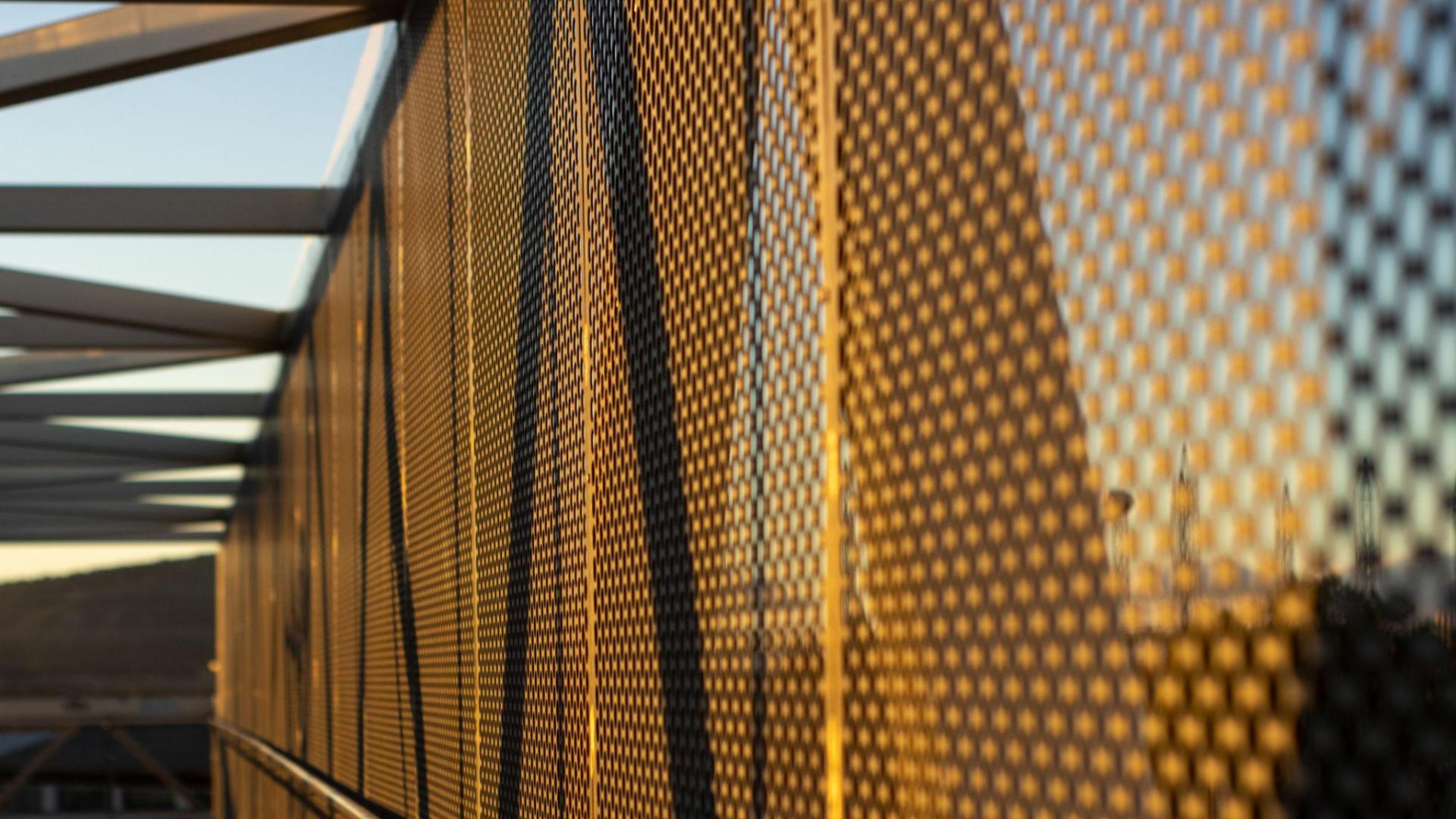
As building owners and architects seek more energy-efficient and environmentally responsible designs, passive building performance strategies have become increasingly important. Among these solutions, architectural metal screens have gained widespread adoption for their ability to improve solar control, ventilation, and visual appearance simultaneously.
Whether installed as facade screens, shading devices, equipment enclosures, or secondary building skins, metal screen systems help regulate environmental conditions while creating distinctive architectural identities.
This article explores how perforated metal, expanded metal, and woven wire mesh are used to enhance building performance through sun control and ventilation.
Why Sun Control Matters in Modern Architecture
Solar heat gain can significantly affect building performance.
Excessive sunlight may result in:
- Increased cooling loads
- Higher energy consumption
- Occupant discomfort
- Excessive glare
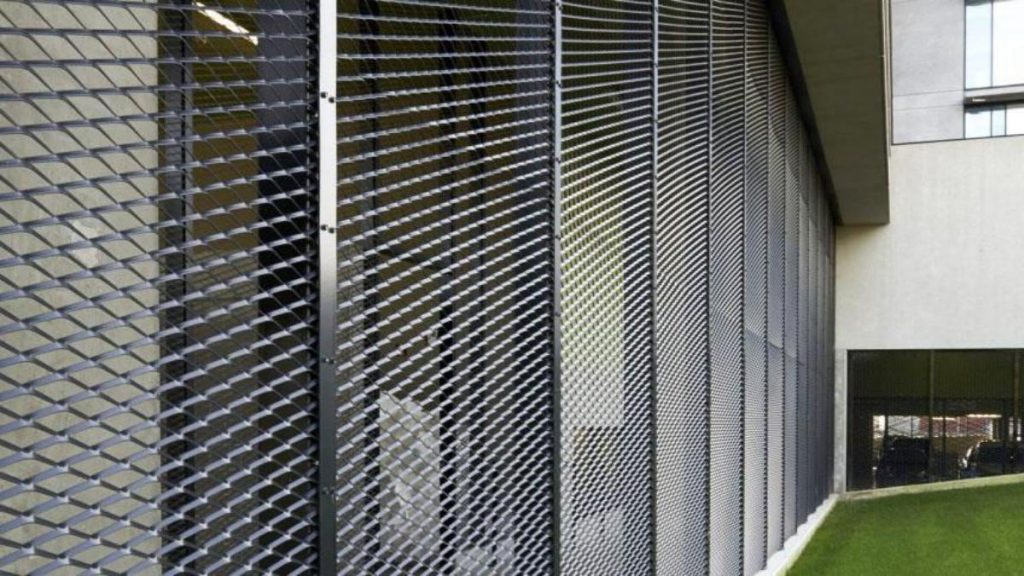
Modern building designs increasingly incorporate exterior shading systems to mitigate these challenges.
Unlike interior blinds or curtains, exterior shading intercepts sunlight before it enters the building envelope, making it substantially more effective.
Benefits of Architectural Metal Screens
Metal screening systems provide multiple benefits beyond shading.
Key Advantages
- Solar control
- Natural ventilation
- Reduced glare
- Improved energy efficiency
- Architectural enhancement
- Long service life
- Low maintenance requirements
These benefits make metal screens suitable for commercial, institutional, and public infrastructure projects.
Common Applications
Building Facades
One of the most common uses of metal screens is as a secondary facade system.
Benefits include:
- Dynamic building appearance
- Improved thermal performance
- Reduced solar exposure
- Enhanced privacy
Modern office buildings frequently utilize perforated metal screens as part of their facade strategy.
Parking Structures
Parking facilities require continuous airflow.
Metal screens help:
- Maintain ventilation
- Improve appearance
- Conceal vehicles
- Enhance security
Expanded metal is particularly popular in parking structures because of its high open area and strength.
Equipment Screening
Mechanical equipment often requires ventilation while remaining visually concealed.
Metal screen systems can effectively hide:
- HVAC equipment
- Cooling systems
- Utility infrastructure
while maintaining airflow requirements.
Metal Screen Product Comparison
Perforated Metal
Best suited for:
- Architectural facades
- Sun shading systems
- Decorative screening
Advantages:
- Precise hole patterns
- Modern appearance
- Custom design options
Expanded Metal
Best suited for:
- Ventilation screens
- Parking structures
- Equipment enclosures
Advantages:
- High airflow
- Lightweight strength
- Cost efficiency
Woven Wire Mesh
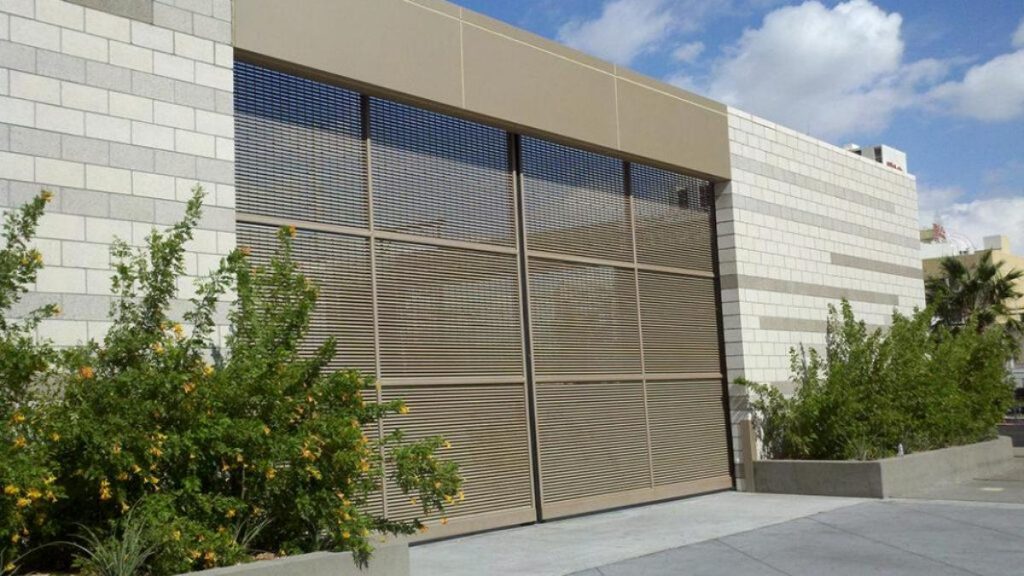
Best suited for:
- Premium architectural projects
- Decorative facades
- Interior-exterior transitions
Advantages:
- Sophisticated appearance
- Transparency control
- Architectural flexibility
Product Comparison Table
| Product Type | Solar Control | Ventilation | Appearance |
|---|---|---|---|
| Perforated Metal | Excellent | Good | Excellent |
| Expanded Metal | Good | Excellent | Very Good |
| Woven Wire Mesh | Good | Good | Premium |
Material Selection
Aluminum
Advantages:
- Lightweight
- Corrosion resistant
- Ideal for large facade systems
Stainless Steel
Advantages:
- Exceptional durability
- Premium appearance
- Coastal suitability
Carbon Steel
Advantages:
- High strength
- Cost-effective
- Versatile fabrication
Recommended Solutions Table
| Project Type | Recommended Product |
|---|---|
| Office Building Facades | Perforated Metal |
| Educational Facilities | Perforated Metal |
| Parking Structures | Expanded Metal |
| Equipment Screens | Expanded Metal |
| Premium Architectural Projects | Woven Wire Mesh |
| Coastal Buildings | Stainless Steel Mesh Systems |
Design Considerations
When specifying metal screen systems, designers should evaluate:
Open Area
Open area influences:
- Airflow
- Daylight transmission
- Solar shading effectiveness
Orientation
Building orientation affects solar exposure.
South- and west-facing facades often require more shading than north-facing elevations.
Structural Support
Wind loads and panel dimensions should be considered during design development.
Common Specification Mistakes
Selecting Screens Based Only on Appearance
Performance requirements should be evaluated alongside aesthetics.
Ignoring Environmental Conditions
Material selection should reflect local climate conditions.
Choosing Incorrect Open Area
Too little openness can restrict airflow, while excessive openness may reduce shading effectiveness.
Conclusion
Architectural metal screens provide an effective solution for balancing aesthetics and building performance. By combining solar shading, ventilation, and visual appeal, perforated metal, expanded metal, and woven wire mesh systems help architects create more comfortable, efficient, and sustainable buildings.
When properly specified, metal screen systems can deliver long-term performance while enhancing the architectural character of a project.
FAQ
What are metal screens used for in architecture?
Metal screens are commonly used for solar shading, ventilation, privacy, facade enhancement, and equipment screening.
Do metal screens improve energy efficiency?
Yes. Exterior shading systems can reduce solar heat gain and lower cooling loads.
Which metal product provides the best airflow?
Expanded metal typically offers the highest airflow due to its open structure.
Is perforated metal suitable for facade shading?
Yes. Perforated metal is one of the most widely used materials for architectural shading systems.
What material is best for coastal environments?
Stainless steel is often preferred because of its corrosion resistance.