Introduction
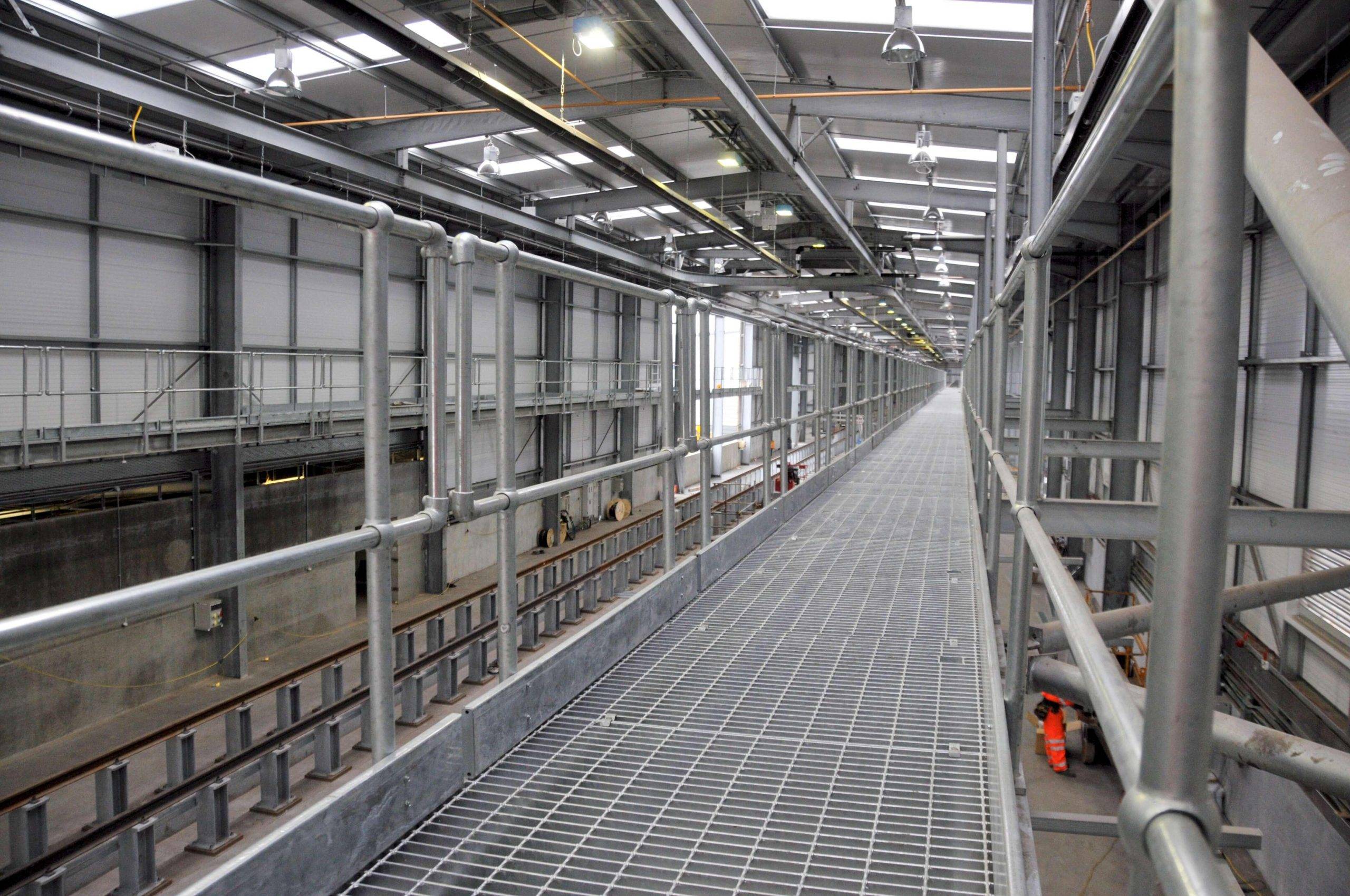
Modern warehouses and distribution centers are designed for efficiency, speed, and safety. As facilities become larger and more automated, operators must ensure that workers can safely access equipment, conveyor systems, storage platforms, and maintenance areas without disrupting daily operations.
Safe access infrastructure plays a critical role in achieving these goals. Elevated walkways, catwalks, mezzanines, maintenance platforms, and equipment access systems all require durable flooring materials capable of supporting personnel while minimizing slip hazards and maintenance requirements.
Metal grating products have become the preferred solution for many warehouse applications due to their strength, drainage capabilities, visibility, and long service life.
This article examines how bar grating and expanded metal are used to improve safety and operational efficiency in warehouses and logistics facilities.
Safety Challenges in Modern Warehouses
Warehouses present several unique challenges:
- High employee traffic
- Automated conveyor systems
- Elevated storage areas
- Forklift operations
- Routine equipment maintenance
- Dust and debris accumulation
Access systems must therefore provide:
- Safe footing
- Structural strength
- Visibility
- Low maintenance
- Compliance with workplace safety standards
Why Metal Grating Is Commonly Used
Compared with solid flooring materials, metal grating offers several operational advantages.
Improved Slip Resistance
Open-grid designs help prevent accumulation of:
- Water
- Dust
- Packaging debris
- Oil residues
This reduces slip risks.
Better Visibility
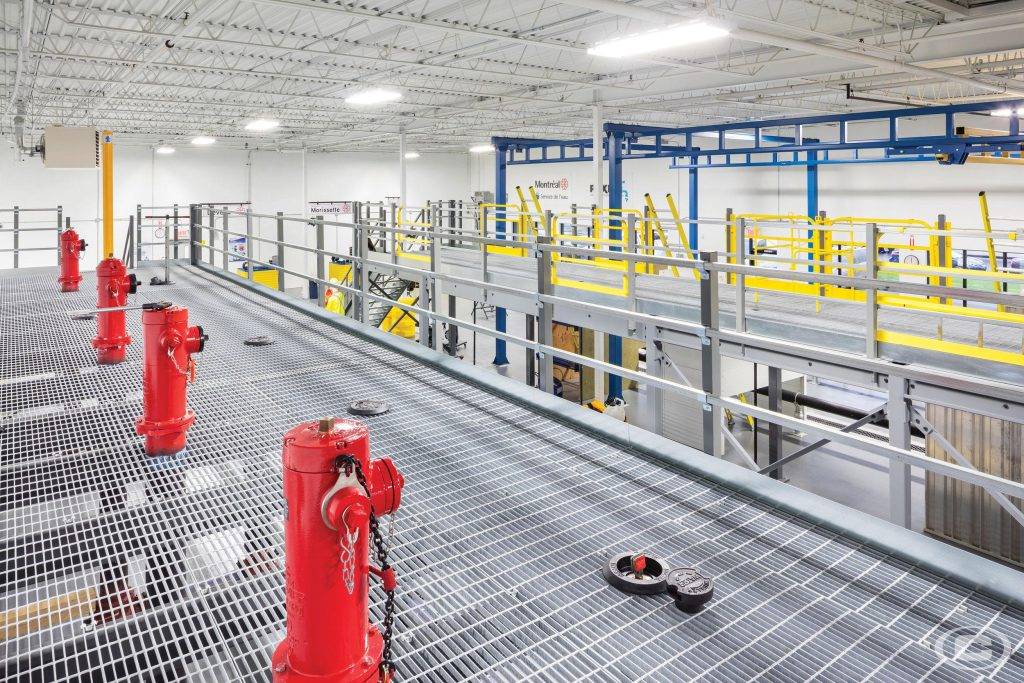
Maintenance personnel can often see equipment and utilities below the platform, improving inspection efficiency.
Drainage and Debris Management
Open flooring allows contaminants to fall through rather than collect on walking surfaces.
Long-Term Durability
Properly galvanized or stainless steel products can provide years of reliable service with minimal maintenance.
Bar Grating Applications in Warehouses
Bar grating is often selected for areas requiring higher load capacity.
Common Uses
Mezzanine Platforms
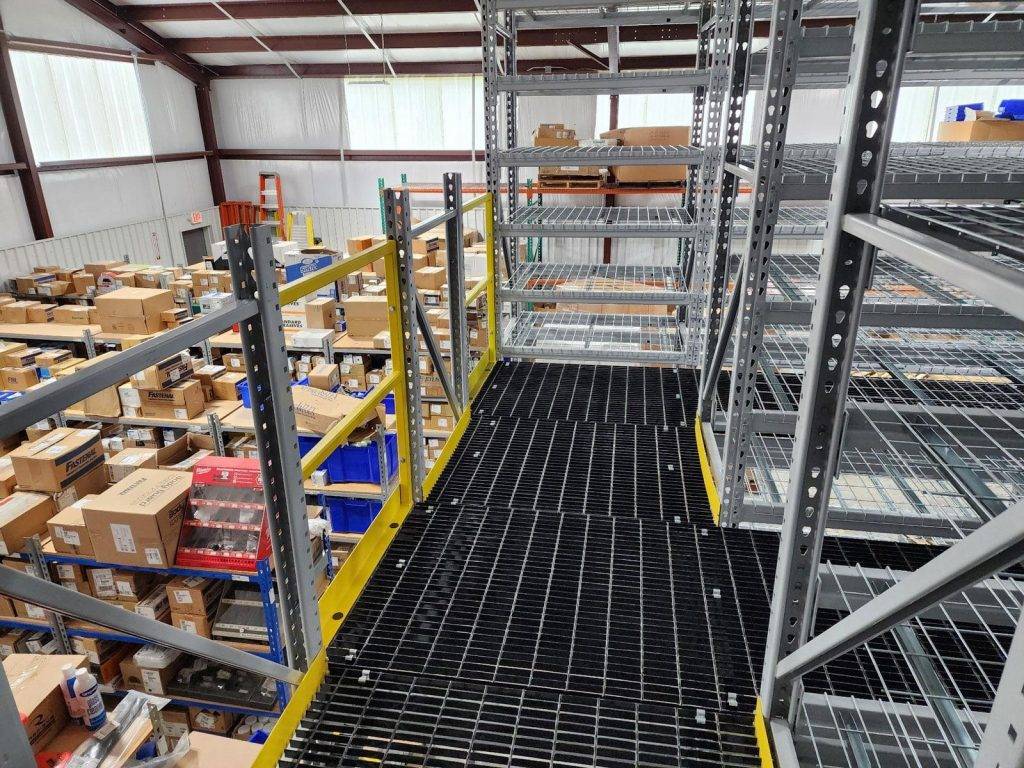
Warehouse mezzanines frequently use bar grating to support:
- Personnel traffic
- Storage access
- Equipment maintenance
Conveyor Access Walkways
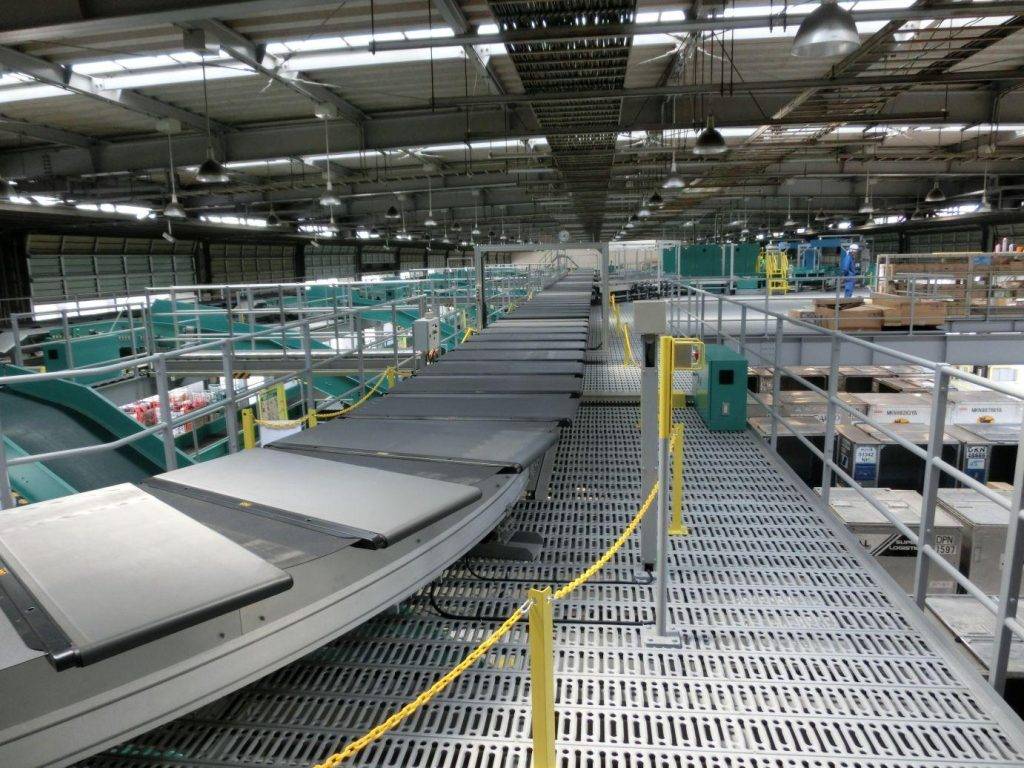
Conveyor systems often require elevated walkways for maintenance and inspections.
Bar grating provides:
- Strength
- Visibility
- Easy cleaning
Utility Access Areas
Mechanical rooms and utility zones benefit from durable grating systems capable of handling routine maintenance traffic.
Expanded Metal Applications in Warehouses
Expanded metal offers a lightweight alternative for many access applications.
Common Uses
Maintenance Catwalks
Expanded metal is frequently installed around:
- Conveyor systems
- Packaging equipment
- Automated sorting systems
Equipment Platforms
The material provides:
- Good traction
- Effective drainage
- Cost efficiency
Safety Access Routes
Expanded metal catwalks help workers access elevated systems without adding excessive structural weight.
Bar Grating vs Expanded Metal
| Feature | Bar Grating | Expanded Metal |
|---|---|---|
| Load Capacity | Excellent | Good |
| Weight | Heavier | Lighter |
| Slip Resistance | Excellent | Excellent |
| Cost Efficiency | Good | Excellent |
| Long Spans | Excellent | Moderate |
| Maintenance Access | Excellent | Good |
Common Warehouse Applications Table
| Application | Recommended Product |
|---|---|
| Conveyor Walkway | Expanded Metal |
| Mezzanine Floor | Bar Grating |
| Utility Platform | Bar Grating |
| Maintenance Catwalk | Expanded Metal |
| Equipment Access Platform | Expanded Metal |
| Heavy-Duty Access Area | Bar Grating |
Material Selection Guide
| Environment | Recommended Material |
|---|---|
| Indoor Warehouse | Carbon Steel |
| Distribution Center | Galvanized Steel |
| Outdoor Loading Areas | Galvanized Steel |
| Food Storage Facility | Stainless Steel |
| Refrigerated Warehouse | Stainless Steel |
Recommended Specifications Table
| Application | Product | Material |
|---|---|---|
| Catwalk | Expanded Metal | Galvanized Steel |
| Mezzanine | Bar Grating | Galvanized Steel |
| Maintenance Platform | Expanded Metal | Galvanized Steel |
| Utility Area | Bar Grating | Stainless Steel |
| Conveyor Access | Expanded Metal | Galvanized Steel |
Benefits for Distribution Centers
Large distribution centers often prioritize:
Worker Safety
Slip-resistant access systems reduce accident risks.
Faster Maintenance
Open flooring allows easier inspection and equipment servicing.
Lower Maintenance Costs
Durable metal products reduce replacement frequency.
Improved Operational Efficiency
Reliable access systems support uninterrupted warehouse operations.
Common Specification Mistakes
Selecting Flooring Based Only on Price
Lower-cost options may not provide adequate performance.
Ignoring Future Maintenance Requirements
Access systems should accommodate routine servicing activities.
Underestimating Loads
Equipment maintenance often involves heavier loads than expected.
Choosing Non-Galvanized Products for Humid Environments
Corrosion protection should be considered during product selection.
Facility Type Selection Guide
| Facility Type | Recommended Solution |
|---|---|
| Warehouse | Expanded Metal + Bar Grating |
| Distribution Center | Expanded Metal |
| Fulfillment Center | Expanded Metal |
| Cold Storage Facility | Stainless Steel Grating |
| Automated Logistics Center | Expanded Metal Catwalks |
| Heavy Industrial Warehouse | Bar Grating |
Conclusion
Metal grating systems play an essential role in modern warehouses and distribution centers. By providing safe access, excellent drainage, structural strength, and long service life, products such as bar grating and expanded metal help facilities improve worker safety while supporting efficient operations.
Selecting the right product depends on load requirements, environmental conditions, maintenance needs, and project budgets. Properly specified systems can provide reliable performance for many years.