Introduction
Effective livestock management begins with reliable containment systems. Whether raising cattle, sheep, goats, horses, or other farm animals, agricultural operators need fencing solutions that balance durability, safety, visibility, and long-term value.
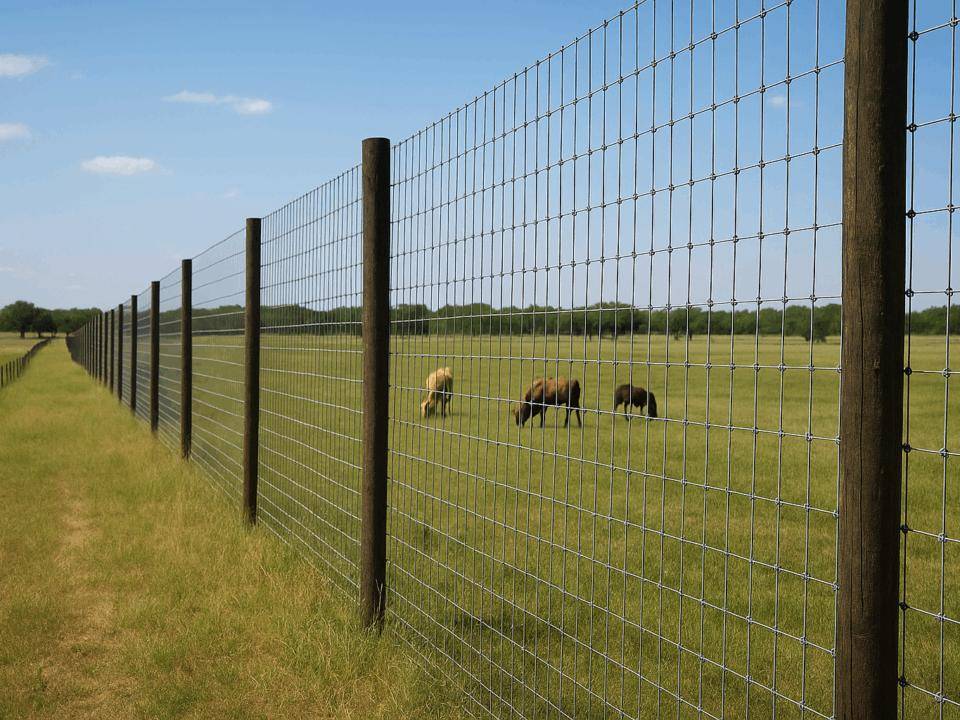
Among the many fencing options available, welded wire mesh has become one of the most widely used materials for livestock enclosures. Its rigid construction, uniform openings, and versatility make it suitable for a wide range of agricultural applications.
This article explores why welded wire mesh is commonly selected for livestock fencing and how it supports modern farm operations.
Why Welded Wire Mesh Is Popular for Livestock Fencing
Welded wire mesh is manufactured by welding horizontal and vertical wires at each intersection, creating a strong and stable structure.
Key benefits include:
- High structural strength
- Consistent mesh openings
- Good visibility
- Easy installation
- Long service life
Compared with some traditional fencing systems, welded mesh often requires less maintenance while providing reliable animal containment.
Animal Safety Considerations
Livestock fencing must protect both animals and farm personnel.
Welded wire mesh helps reduce:
- Escape risks
- Fence deformation
- Animal entanglement
- Injury caused by damaged fencing
Uniform openings also make it easier to select a fence design appropriate for different animal species.
Applications by Animal Type
Cattle
Cattle fencing requires:
- Strong welded joints
- Adequate fence height
- Resistance to animal pressure
Heavy-duty welded wire fence panels are commonly used for cattle paddocks and perimeter fencing.
Sheep and Goats
These animals often require:
- Smaller openings
- Secure lower sections
- Reliable perimeter control
Welded wire mesh helps prevent animals from pushing through or becoming trapped.
Horses
Horse fencing should emphasize:
- Visibility
- Smooth edges
- Structural stability
Properly designed welded wire fencing can provide a safe and durable enclosure solution.
Fence Specification Considerations
When selecting welded wire mesh for livestock enclosures, several factors should be evaluated.
Mesh Opening Size
Smaller openings provide:
- Better containment
- Reduced injury risk
- Improved predator resistance
Wire Diameter
Heavier wire gauges generally provide:
- Greater strength
- Longer service life
- Improved impact resistance
Fence Height
Fence height should match:
- Animal size
- Animal behavior
- Facility requirements
Livestock Fence Selection Guide
| Animal Type | Recommended Mesh Opening |
|---|---|
| Cattle | Medium to Large |
| Horses | Medium |
| Sheep | Small |
| Goats | Small |
| Mixed Livestock | Medium |
Material and Coating Options
Galvanized Welded Wire Mesh
Advantages:
- Corrosion resistance
- Cost effectiveness
- Long outdoor service life
PVC Coated Welded Wire Mesh
Advantages:
- Additional corrosion protection
- Improved appearance
- Enhanced durability
Material Comparison Table
| Material Type | Corrosion Resistance | Typical Application |
|---|---|---|
| Galvanized Mesh | Good | General Livestock Fencing |
| PVC Coated Mesh | Excellent | Long-Term Agricultural Use |
Common Agricultural Applications
Welded wire mesh is frequently used for:
- Livestock paddocks
- Grazing areas
- Animal holding pens
- Farm perimeter fencing
- Breeding facilities
Its versatility allows the same fencing system to be used across multiple areas of an agricultural operation.
Common Selection Mistakes
Choosing Fence Based Only on Cost
Low-cost fencing may result in higher maintenance and replacement expenses.
Using Incorrect Mesh Openings
Fence openings should be matched to the animals being contained.
Ignoring Environmental Conditions
Moisture, fertilizers, and livestock waste can affect fence longevity.
Underestimating Future Expansion
Fence systems should support future growth and operational changes.
Conclusion
Welded wire mesh remains one of the most practical and reliable solutions for livestock enclosures. Its combination of strength, visibility, durability, and versatility makes it suitable for a wide range of agricultural applications.
By selecting the appropriate mesh size, wire diameter, and coating system, farm operators can create safe and efficient enclosures that support long-term livestock management.