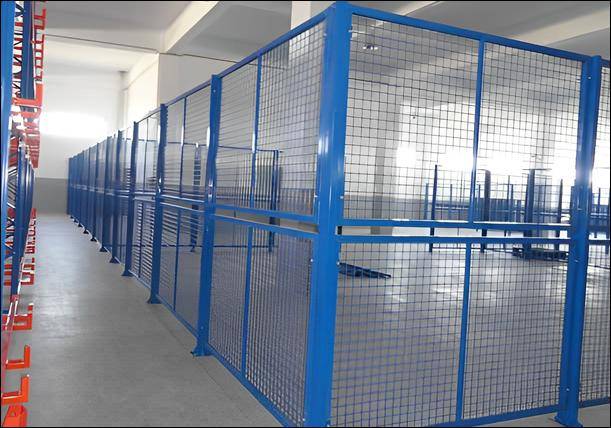
Introduction
Modern industrial facilities are becoming increasingly automated, complex, and safety-focused. Manufacturing plants, warehouses, logistics centers, and processing facilities must protect personnel, equipment, and inventory while maintaining operational efficiency.
Among the many materials used in industrial infrastructure, welded wire mesh has become one of the most versatile and widely specified solutions.
Its combination of strength, visibility, airflow, durability, and cost-effectiveness makes it suitable for a wide range of applications, from machine guarding and safety partitions to storage cages and facility security systems.
This article explores why welded wire mesh is widely used in industrial facilities and how facility managers, engineers, and contractors select mesh systems for different operational requirements.
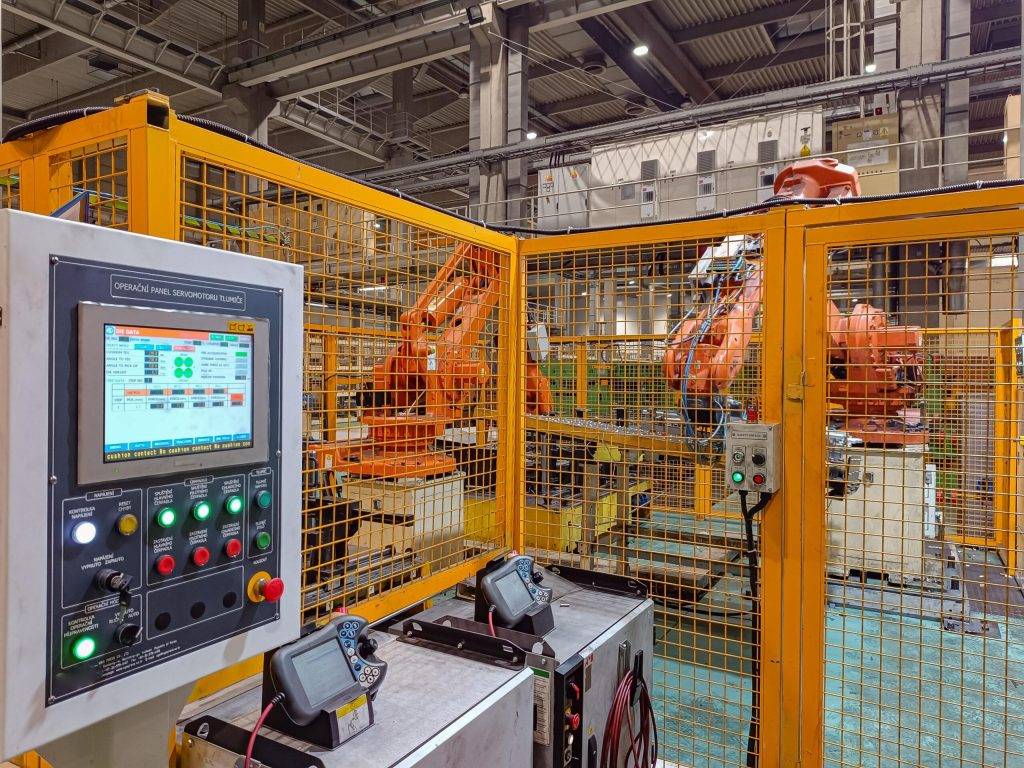
What Is Welded Wire Mesh?
Welded wire mesh is manufactured by electrically welding steel wires at each intersection to form a rigid grid structure.
Common materials include:
- Low Carbon Steel
- Galvanized Steel
- Stainless Steel
Typical characteristics include:
- High dimensional stability
- Uniform openings
- Good visibility
- Easy fabrication
- Long service life
Why Industrial Facilities Choose Welded Wire Mesh
Visibility and Safety
Unlike solid barriers, welded mesh allows personnel to:
- Monitor equipment
- Observe production lines
- Inspect restricted areas
while maintaining physical separation.
Airflow and Ventilation
Open mesh construction promotes:
- Air circulation
- Equipment cooling
- Ventilation efficiency
This is particularly important around automated equipment and electrical systems.
Strength and Security
Properly specified welded mesh provides:
- Impact resistance
- Access control
- Inventory protection
- Equipment safeguarding
Cost Efficiency
Compared with solid steel barriers or custom fabricated enclosures, welded wire mesh offers a practical balance of performance and affordability.
Machine Guarding Applications
One of the most common industrial uses of welded wire mesh is machine guarding.
Typical Applications
- CNC machines
- Robotic cells
- Conveyor systems
- Packaging equipment
- Material handling systems
Machine guards help prevent accidental contact while maintaining visibility for operators and maintenance personnel.
Safety Partitions and Work Area Separation
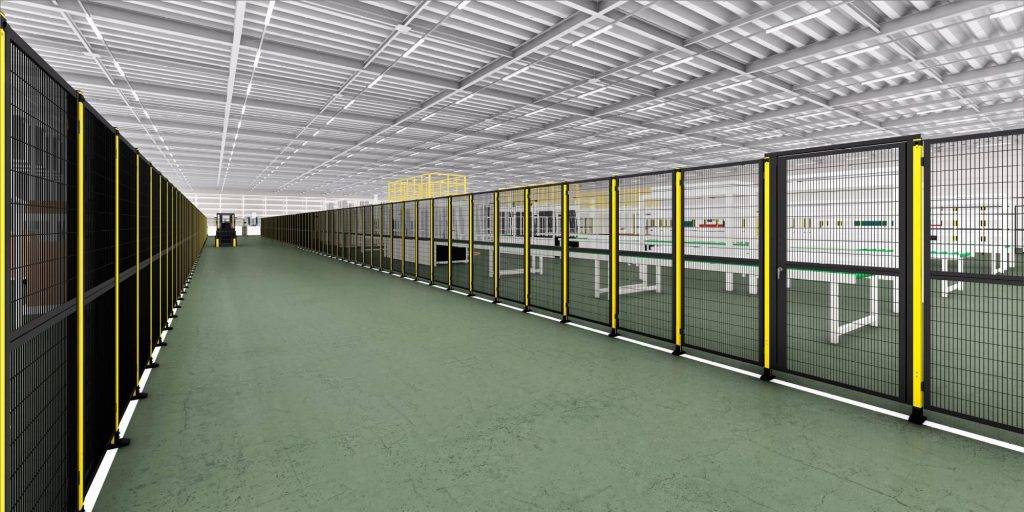
Industrial facilities often require separation between:
- Production zones
- Storage areas
- Pedestrian pathways
- Automated equipment
Welded mesh partitions provide a durable and adaptable solution.
Warehouse Storage Cages
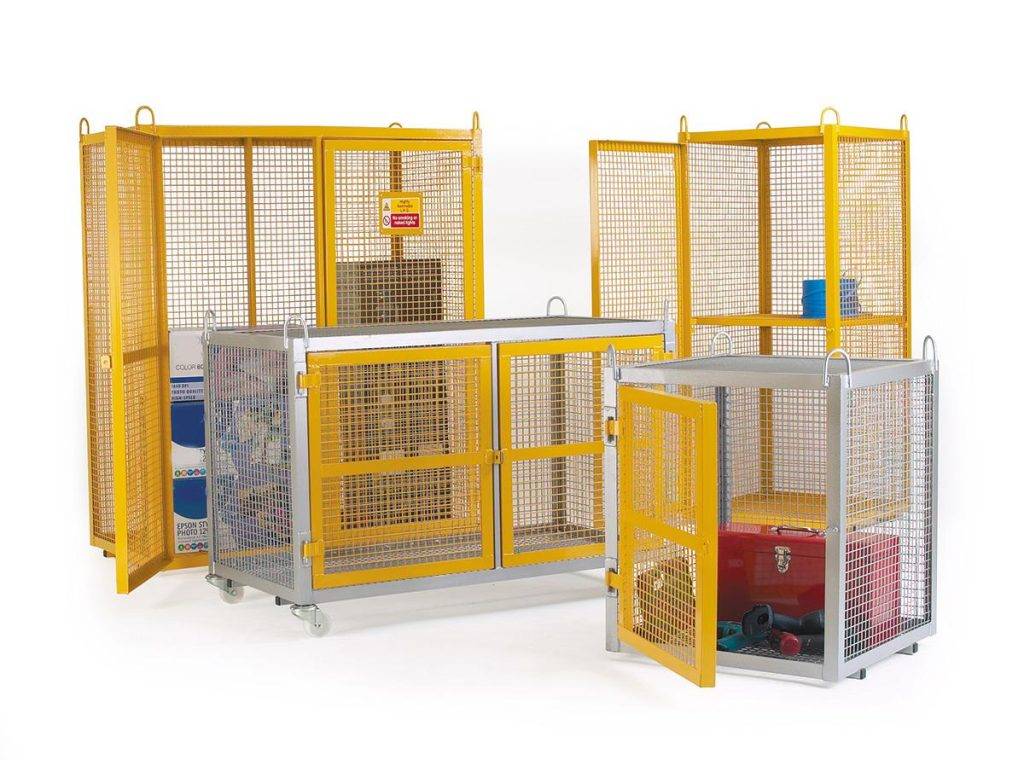
Warehouses frequently use welded wire mesh to construct:
- Inventory cages
- Tool cribs
- High-value storage areas
- Secure material enclosures
Benefits include:
- Visibility
- Inventory control
- Security
- Air circulation
Automated Facility Protection
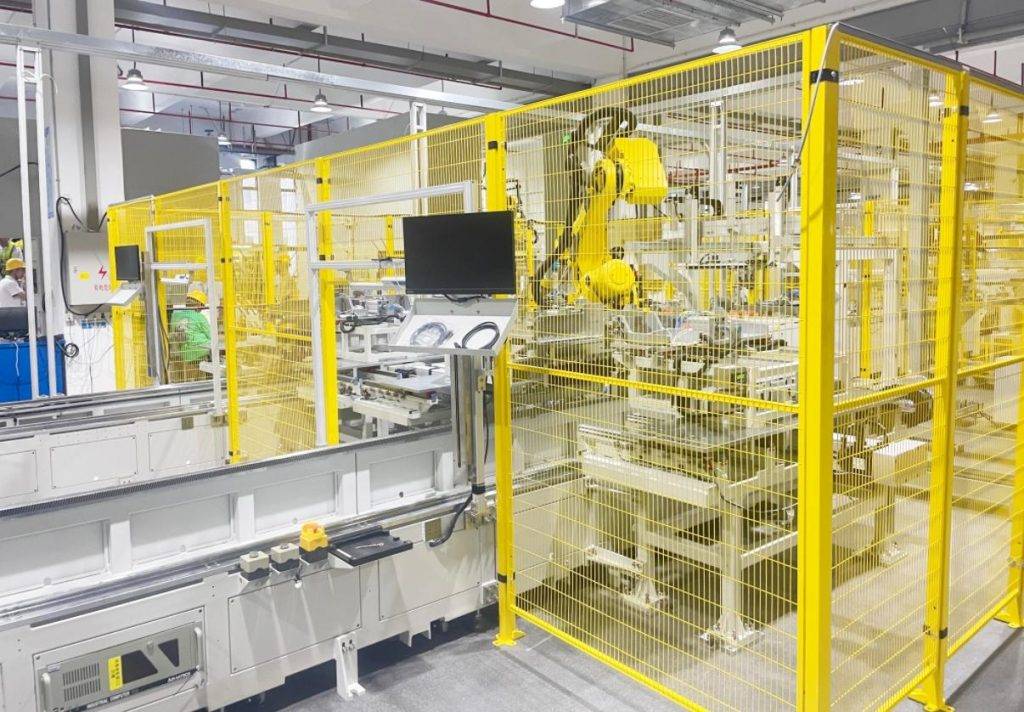
As automation becomes more common, safety enclosures are increasingly required around:
- Robotic systems
- Automated conveyors
- Sorting equipment
- Packaging lines
Welded mesh fencing provides protection while maintaining system visibility.
Facility Security Applications
Beyond machine safety, welded wire mesh is commonly used for:
- Interior security barriers
- Restricted access zones
- Equipment protection
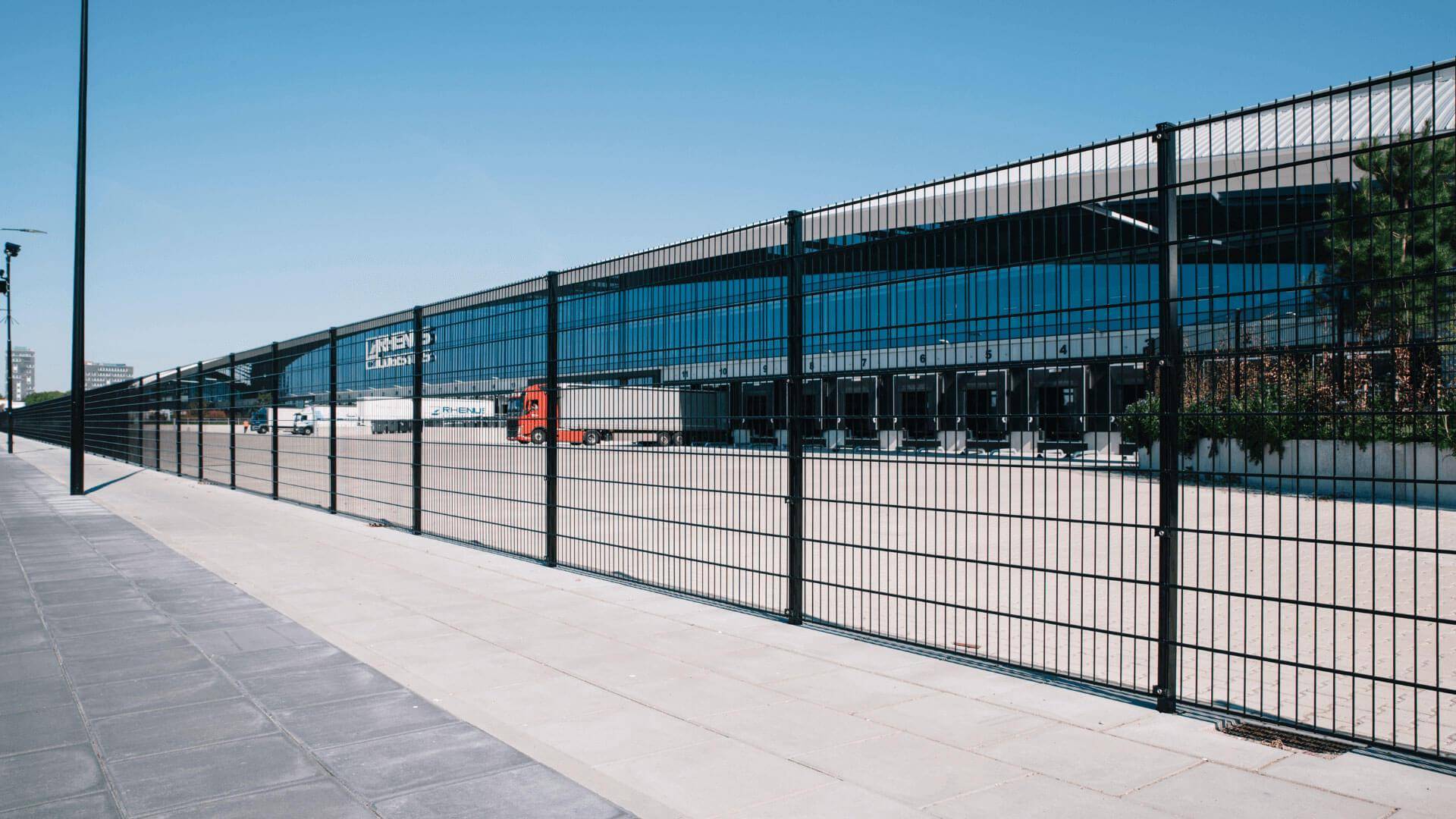
- Facility perimeter systems
Common Industrial Applications Table
| Application | Primary Purpose |
|---|---|
| Machine Guards | Personnel protection |
| Safety Partitions | Area separation |
| Storage Cages | Asset protection |
| Robotic Enclosures | Safety compliance |
| Security Barriers | Access control |
| Equipment Guards | Damage prevention |
Material Selection Guide
| Environment | Recommended Material |
|---|---|
| Indoor Manufacturing | Carbon Steel |
| Warehouse | Galvanized Steel |
| Food Processing | Stainless Steel |
| Pharmaceutical Facility | Stainless Steel |
| Humid Environment | Galvanized Steel |
| Corrosive Environment | Stainless Steel |
Recommended Specifications Table
| Application | Wire Diameter | Opening Size |
|---|---|---|
| Machine Guard | 3–5 mm | 25–50 mm |
| Safety Partition | 3–6 mm | 50–75 mm |
| Storage Cage | 4–6 mm | 50 × 50 mm |
| Security Barrier | 4–8 mm | 25–50 mm |
| Robotic Cell Fence | 4–6 mm | 25–50 mm |
Welded Wire Mesh vs Expanded Metal
| Feature | Welded Wire Mesh | Expanded Metal |
|---|---|---|
| Visibility | Excellent | Good |
| Security | Excellent | Good |
| Ventilation | Excellent | Excellent |
| Fabrication Flexibility | Excellent | Moderate |
| Cost Efficiency | Excellent | Good |
Common Specification Mistakes
Selecting Openings That Are Too Large
Large openings may not meet safety requirements.
Ignoring Industry Safety Standards
Machine guarding systems should comply with applicable workplace safety regulations.
Choosing Non-Corrosion-Resistant Materials
Environmental conditions should guide material selection.
Underestimating Impact Loads
Storage and equipment protection systems may experience unexpected impacts.
Facility Type Selection Guide
| Facility Type | Recommended Application |
|---|---|
| Manufacturing Plant | Machine Guards |
| Warehouse | Storage Cages |
| Distribution Center | Safety Partitions |
| Automated Facility | Robotic Enclosures |
| Food Processing Plant | Stainless Steel Mesh Systems |
| Logistics Center | Security Partitions |
Conclusion
Welded wire mesh remains one of the most practical and versatile materials used in industrial facilities. Its strength, visibility, ventilation characteristics, and cost-effectiveness make it suitable for machine guarding, safety partitions, storage cages, and security applications.
Properly specified mesh systems help improve workplace safety, protect equipment and inventory, and support efficient facility operations.