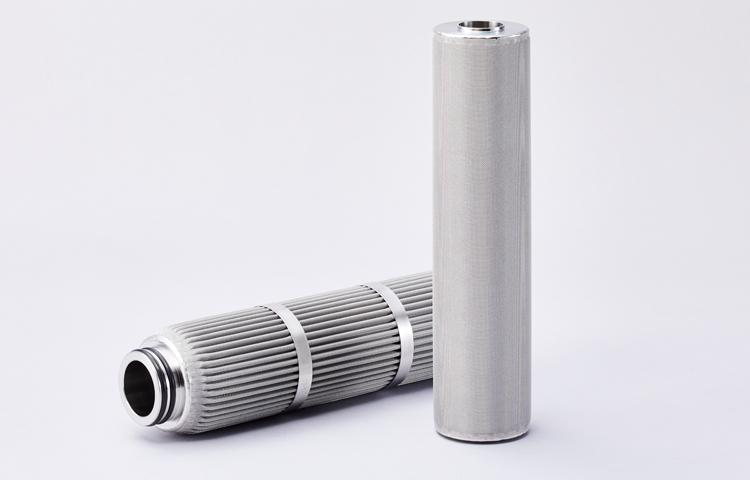
Introduction
Industrial filtration plays a critical role in maintaining product quality, protecting equipment, improving process efficiency, and meeting regulatory requirements. Across industries such as water treatment, food processing, pharmaceuticals, chemicals, mining, and manufacturing, filtration systems help remove unwanted particles and contaminants from liquids, gases, and process streams.
Among the many filtration materials available, woven wire mesh remains one of the most versatile and reliable solutions. Its precise openings, durability, and resistance to harsh operating conditions make it suitable for a wide range of filtration and separation applications.
This article explores how wire mesh products are used in industrial filtration systems and what factors engineers should consider when selecting filtration media.
What Is Industrial Filtration?
Industrial filtration is the process of separating unwanted particles from:
- Liquids
- Gases
- Process streams
- Raw materials
- Finished products
Objectives often include:
- Product purity
- Equipment protection
- Process efficiency
- Regulatory compliance
Why Wire Mesh Is Widely Used in Filtration Systems
Key advantages include:
Precise Filtration Performance
Wire mesh provides accurately controlled openings for predictable filtration results.
Mechanical Strength
Metal mesh can withstand:
- Pressure differentials
- Flow forces
- Repeated cleaning cycles
Temperature Resistance
Suitable for high-temperature industrial environments.
Chemical Resistance
Especially when stainless steel materials are used.
Woven Wire Mesh for Filtration
Woven wire mesh is the most common filtration media used in industrial applications.
Typical Uses
- Liquid filtration
- Air filtration
- Particle separation
- Process screening
Common Materials
- Stainless Steel 304
- Stainless Steel 316
- Brass
- Copper
- Low Carbon Steel
Liquid Filtration Applications
Industries include:
- Water treatment
- Food processing
- Chemical manufacturing
- Oil and gas
Common filtration objectives:
- Sediment removal
- Particle control
- Product purification
Air Filtration Applications
Wire mesh is frequently used in:
- HVAC systems
- Industrial ventilation
- Dust collection systems
- Air intake filtration
Benefits include:
- Airflow efficiency
- Washability
- Long service life
Filtration Performance Table
| Mesh Count | Typical Application |
|---|---|
| 20–60 Mesh | Coarse Filtration |
| 60–150 Mesh | Medium Filtration |
| 150–400 Mesh | Fine Filtration |
| 400+ Mesh | Precision Filtration |
Industry Application Guide
| Industry | Common Use |
|---|---|
| Water Treatment | Particle Removal |
| Food Processing | Product Filtration |
| Pharmaceutical | Fine Filtration |
| Chemical Processing | Process Separation |
| Mining | Material Screening |
| Manufacturing | Equipment Protection |
Material Selection Guide
| Environment | Recommended Material |
|---|---|
| General Filtration | SS304 |
| Corrosive Media | SS316 |
| Food Processing | SS316 |
| Pharmaceutical | SS316 |
| High Temperature | Stainless Steel |
Common Selection Factors
Engineers typically evaluate:
- Mesh count
- Wire diameter
- Open area
- Flow rate
- Pressure drop
- Corrosion resistance
before selecting filtration media.
Common Specification Mistakes
Selecting Mesh Based Only on Opening Size
Flow rate and pressure drop must also be considered.
Ignoring Chemical Compatibility
Process fluids may require specialized materials.
Choosing Excessively Fine Mesh
Overly fine mesh may restrict flow unnecessarily.
Conclusion
Wire mesh remains one of the most effective and versatile filtration media available for industrial applications. Its durability, precision, and adaptability allow engineers to design efficient filtration systems across a wide range of industries.
Whether the application involves liquid filtration, air handling, or process separation, properly specified woven wire mesh can help improve product quality, protect equipment, and support reliable operations.