Introduction
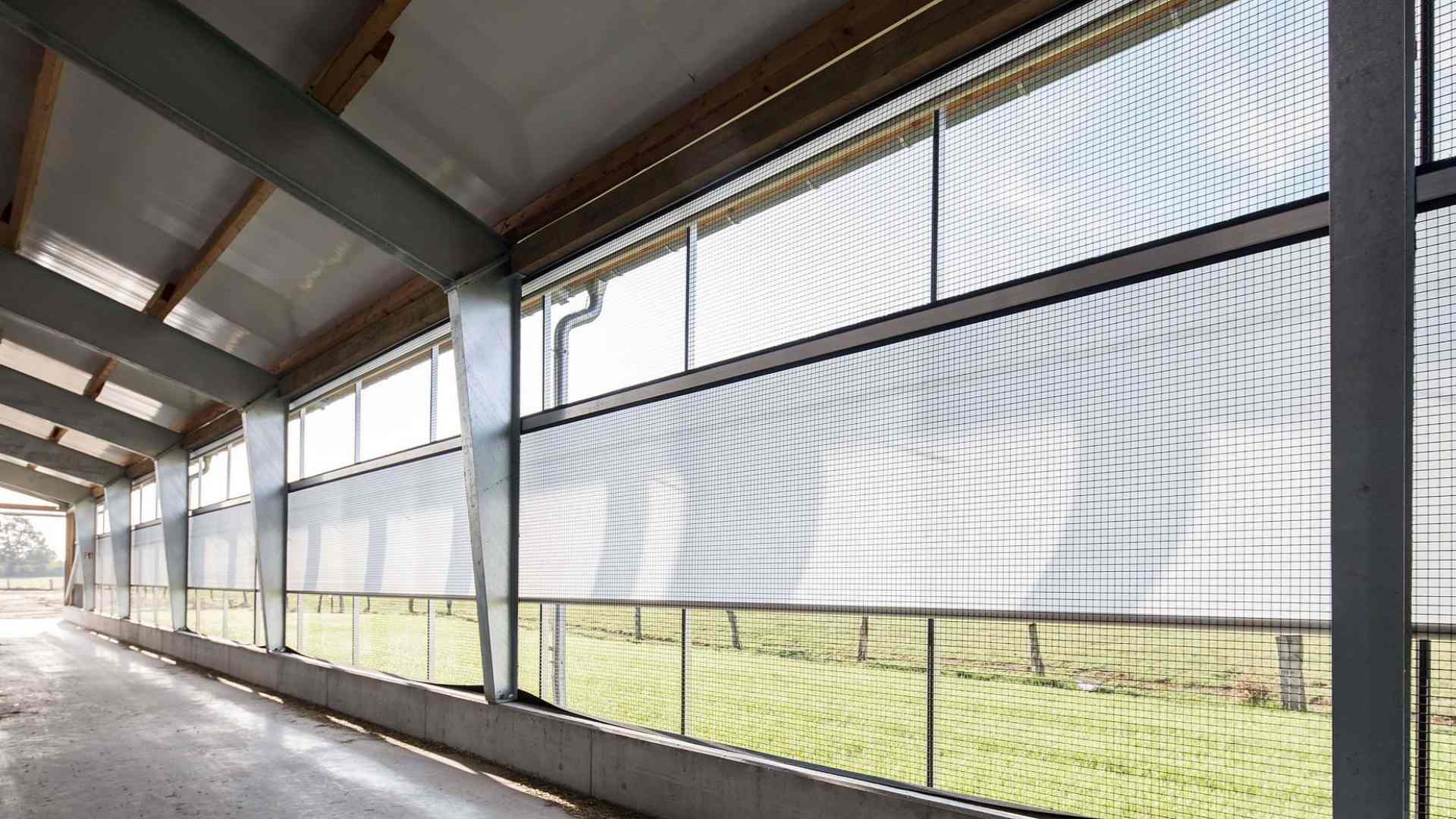
Modern poultry and animal production facilities require housing systems that provide security, ventilation, hygiene, and operational efficiency. Whether managing chickens, turkeys, rabbits, or other small animals, producers need enclosure materials that support both animal welfare and long-term facility performance.
Among the available materials, welded wire mesh remains one of the most widely used solutions for poultry and animal housing. Its open structure promotes airflow while providing reliable containment and protection.
This article explores how wire mesh supports modern agricultural housing systems and what factors should be considered when selecting the appropriate specification.
Why Wire Mesh Is Commonly Used in Animal Housing
Agricultural housing systems must balance several requirements:
- Animal containment
- Ventilation
- Visibility
- Durability
- Ease of cleaning
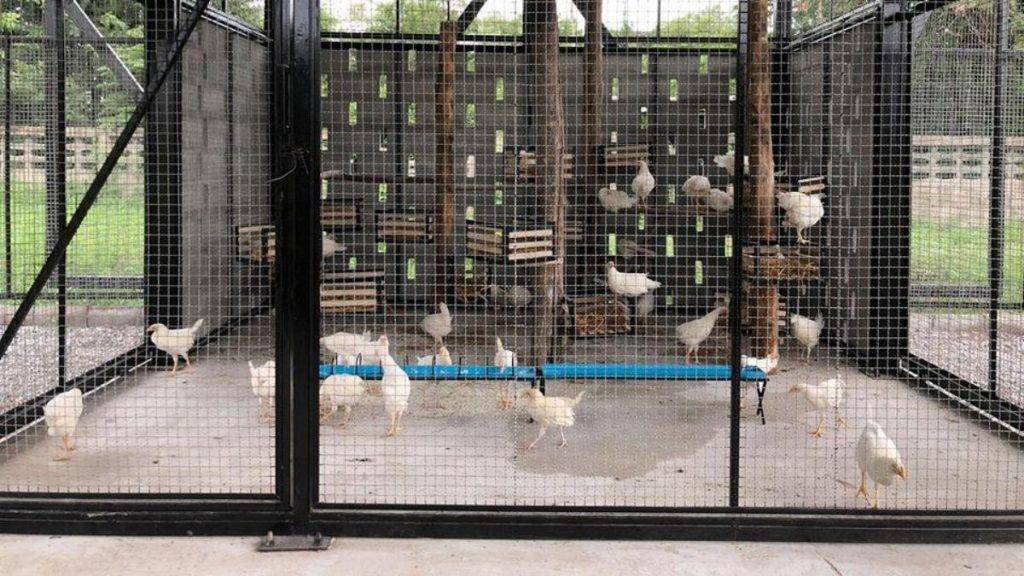
Wire mesh offers a practical solution because it allows air circulation while maintaining structural integrity and animal safety.
Compared with solid panels, mesh systems help create healthier environments by improving airflow and reducing moisture buildup.
Poultry Housing Applications
Broiler Production
Broiler houses often use wire mesh for:
- Ventilation openings
- Internal partitions
- Equipment protection
- Predator exclusion
Good airflow is essential for maintaining healthy growing conditions.
Layer Facilities
Egg production facilities may use mesh systems for:
- Housing structures
- Walkway barriers
- Equipment enclosures
Durable mesh materials help withstand continuous operation and cleaning procedures.
Turkey Production
Turkey facilities typically require:
- Larger enclosures
- Durable containment systems
- Good visibility
Welded wire mesh provides strength while maintaining open sight lines throughout the facility.
Small Animal Housing Applications
Rabbit Farms
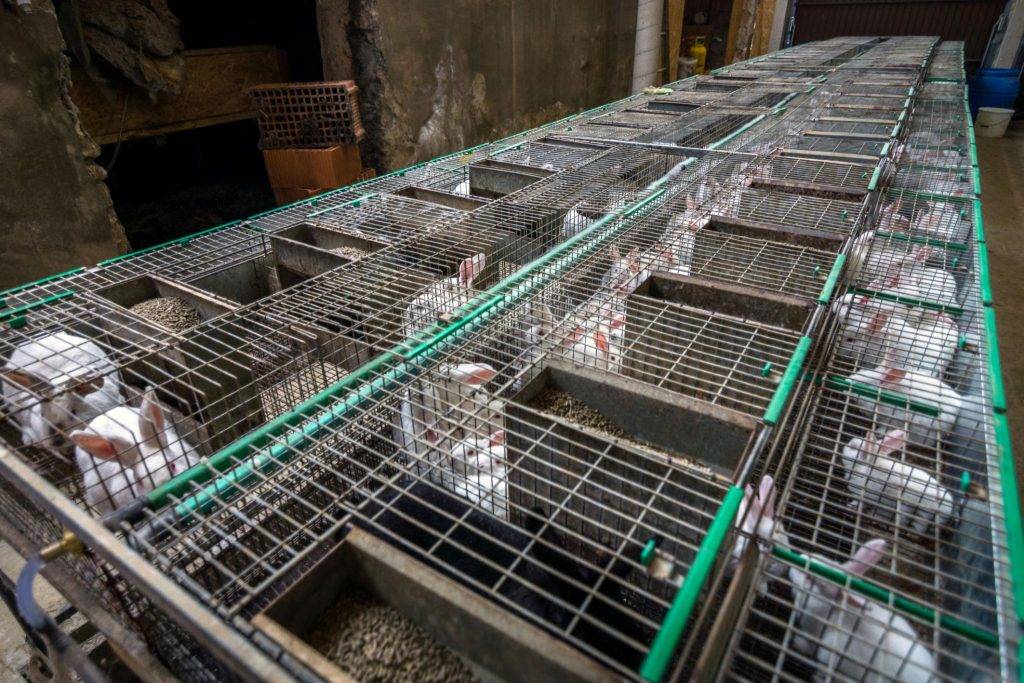
Wire mesh is frequently used in:
- Rabbit cages
- Breeding units
- Feeding systems
Benefits include:
- Easy cleaning
- Good ventilation
- Efficient waste management
Specialty Animal Facilities
Mesh systems may also be used for:
- Game bird production
- Small livestock housing
- Research facilities
Key Benefits of Welded Wire Mesh
Excellent Ventilation
Proper airflow helps reduce:
- Moisture accumulation
- Heat stress
- Air quality issues
Animal Safety
Uniform openings help minimize injury risks while maintaining containment.
Easy Maintenance
Wire mesh structures are easier to inspect and clean than many solid enclosure materials.
Long Service Life
Galvanized and coated mesh products can withstand demanding agricultural environments.
Mesh Selection Considerations
Mesh Opening Size
Smaller openings may be preferred for:
- Young birds
- Small animals
- Predator protection
Larger openings may improve airflow in certain applications.
Wire Diameter
Heavier wire provides:
- Increased durability
- Improved rigidity
- Longer service life
Corrosion Resistance
Agricultural facilities often expose materials to:
- Moisture
- Animal waste
- Cleaning chemicals
Corrosion-resistant materials are therefore important.
Poultry Housing Selection Guide
| Application | Recommended Mesh Type |
|---|---|
| Broiler House | Welded Wire Mesh |
| Layer Facility | Welded Wire Mesh |
| Turkey Housing | Heavy-Duty Welded Mesh |
| Rabbit Housing | Fine Welded Mesh |
| Small Animal Enclosures | Welded Wire Mesh |
Material Comparison Table
| Material | Durability | Corrosion Resistance |
|---|---|---|
| Galvanized Mesh | Good | Good |
| PVC Coated Mesh | Excellent | Excellent |
| Plain Steel Mesh | Limited | Poor |
Common Selection Mistakes
Using Oversized Openings
Openings should match the animal type and containment requirements.
Ignoring Corrosion Exposure
Moisture and waste can significantly affect fence longevity.
Choosing Light-Duty Mesh for Heavy Use
Commercial facilities often benefit from stronger wire diameters.
Overlooking Ventilation Requirements
Airflow is critical for animal health and facility performance.
Conclusion
Wire mesh remains an essential component of modern poultry and animal housing systems. Its ability to provide containment, ventilation, visibility, and durability makes it suitable for a wide range of agricultural applications.
By selecting the appropriate mesh size, wire diameter, and coating system, producers can improve facility performance while supporting animal welfare and operational efficiency.
Frequently Asked Questions
What type of wire mesh is commonly used in poultry houses?
Galvanized or PVC coated welded wire mesh is commonly used due to its durability and corrosion resistance.
Is welded wire mesh suitable for rabbit housing?
Yes. Fine welded wire mesh is widely used in rabbit cages and breeding systems.
Why is ventilation important in poultry facilities?
Good airflow helps control moisture, improve air quality, and support animal health.
Should poultry mesh be galvanized?
Galvanized mesh is commonly recommended because it offers better protection against corrosion.
How do I choose the right mesh opening size?
Mesh openings should be selected based on animal size, containment requirements, and predator protection needs.